Significant administrative changes are coming to the DV-2027 Diversity Visa Program, with new federal rules taking effect as of April 10, 2026 that will fundamentally alter the entry process. Every applicant needs to understand these updates to remain eligible.
New Requirements for DV-2027
According to recent filings and official guidance, three major changes are now in effect:
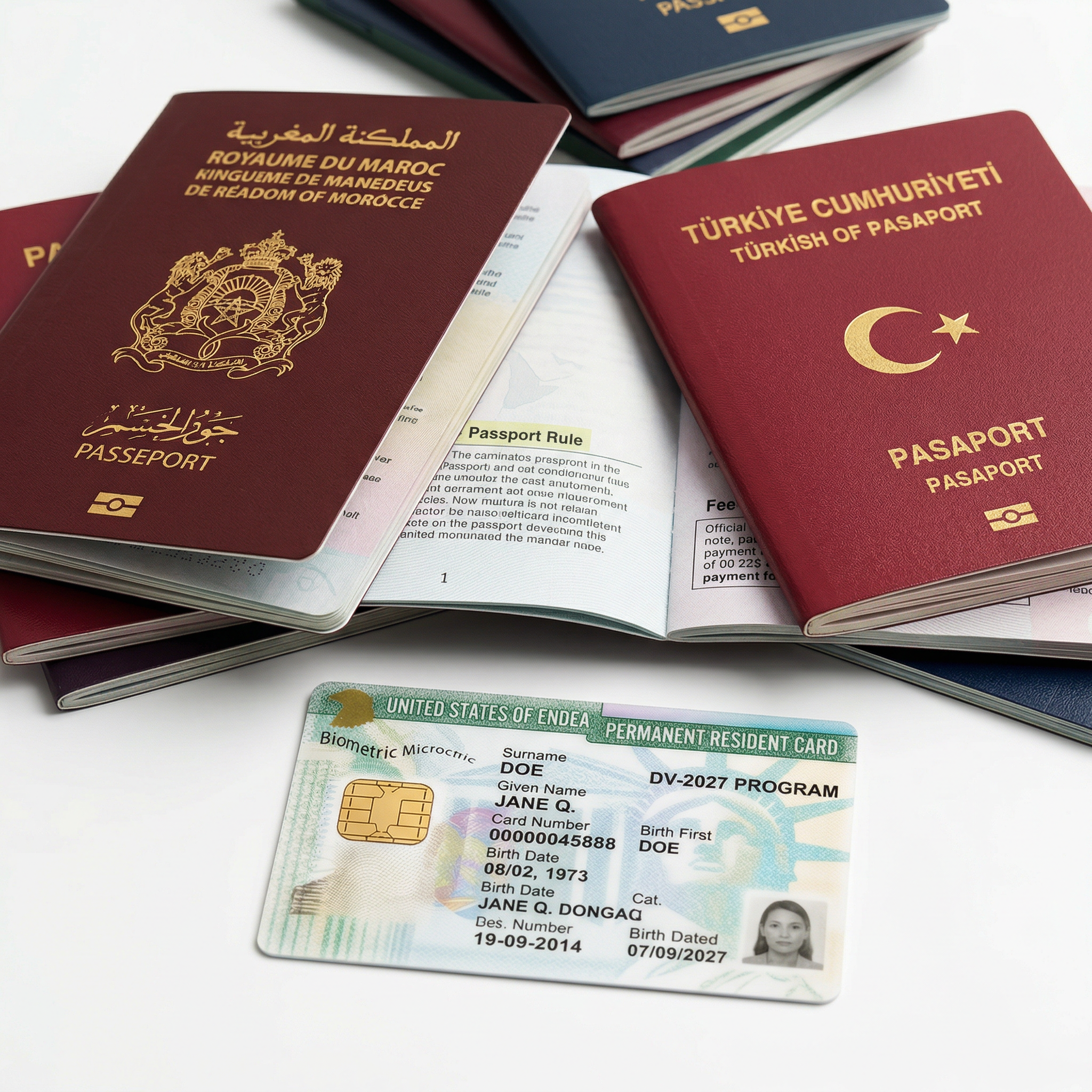
- Mandatory Passport Rule: All principal applicants must possess a valid, unexpired passport at the time of entry. Applicants must enter passport details and upload a digital scan of the biographic page.
- $1 Registration Fee: For the first time in program history, a non-refundable $1 electronic registration fee is required to submit an entry.
- Delayed Opening: Registration has been postponed from the traditional October window to implement these technical changes. The system is expected to go live in the second half of April 2026.
Standard Eligibility Requirements
Legal analysts confirm that the core eligibility criteria remain unchanged:
- Education or Work Experience: Applicants must have a high school education (completion of a 12-year course) or two years of qualifying work experience within the last five years in a designated occupation.
- Random Selection: Winners continue to be chosen by a random computer drawing from all qualified entries.
- Photo Standards: Photos must be recent (taken within the last six months), feature a plain white background, and contain no eyeglasses.
Critical Rules and Common Pitfalls
Based on historical processing data, the following rules are the most common sources of disqualification:
Policy Advisory: Due to the complexity of current dv lottery regulations, official policy analysts are providing limited eligibility assessments for qualified applicants.
Begin Formal Assessment- One Entry Per Person: Duplicate entries result in automatic disqualification. However, married couples may each submit a separate entry if both qualify independently.
- Family Disclosure: All spouses and unmarried children under 21 must be listed, even if they do not intend to migrate. Omitting a family member leads to disqualification at the interview stage.
- Country of Birth: Eligibility is determined by country of birth, not current citizenship or residence. Applicants born in ineligible countries may claim a spouse's or parent's birth country under certain conditions.
- Confirmation Number: The confirmation number provided at the end of the entry must be saved. Without it, there is no way to check selection status.
Technical Changes to the Entry Form
The electronic entry form (DS-5501) has been updated with more precise language to match official U.S. government identification standards. The form now uses "Sex" instead of "Gender" and requires exact "Date of Birth" as it appears on documents rather than calculated age.
"The Department has implemented enhanced metadata analysis and facial recognition technology to detect reused photographs and AI-modified images. Applicants should ensure all submissions contain original, unaltered documentation." — Bureau of Consular Affairs Advisory
Enhanced Vetting and National Security Holds
Several new security measures are now in effect that may impact applicants:
- Nationality-Based Holds: A pause on immigrant visa (green card) issuance is currently in effect for nationals of 75 high-risk countries as of January 2026.
- Social Media Review: Effective March 30, 2026, online presence reviews have expanded to more nonimmigrant visa categories (including K-1, H-3, and R-1), requiring applicants to set their social media profiles to public or open for review.
- EAD Validity: The maximum validity period for certain Employment Authorization Documents (EADs) has been reduced from 5 years back to 18 months.
Post-Selection Processing
Policy analysts note that the Department typically selects between 100,000 and 120,000 applicants for approximately 55,000 available visas. Selected applicants must complete Form DS-260, gather civil and police certificates, undergo medical examinations, and attend a consular interview. The window between selection and interview processing can be shorter than many applicants anticipate.