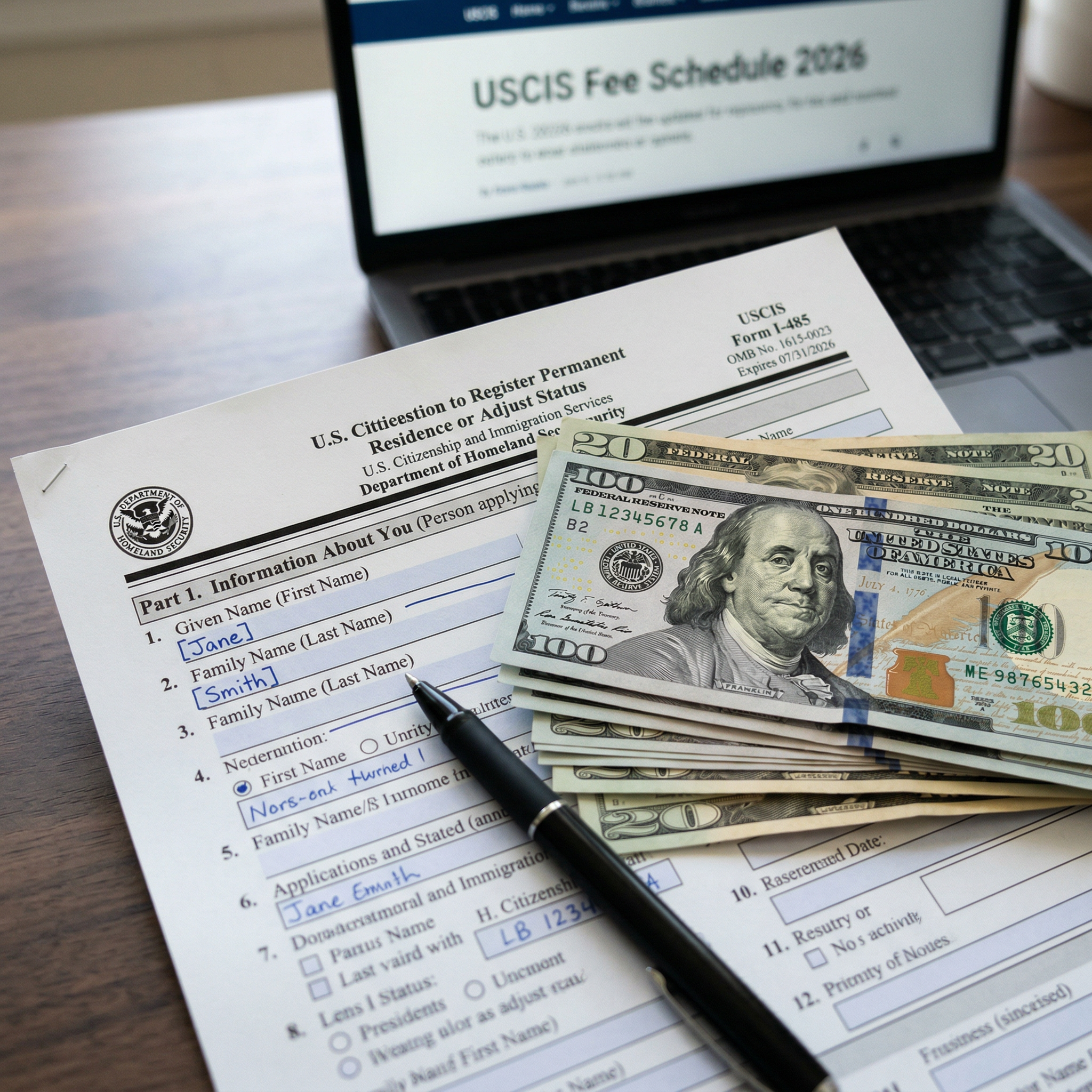
The employment-based green card backlog has reached unprecedented levels, with current estimates placing more than 1.8 million approved petitions in a queue for visa numbers. The growing crisis has prompted renewed calls for congressional intervention.
The Scale of the Problem
The backlog affects all employment-based categories but is most acute in the EB-2 and EB-3 categories for Indian nationals, where wait times now exceed 40 years for some priority dates. This effectively means that many skilled workers will age out of the system before receiving their green cards.
Economic Impact
Studies estimate that the green card backlog costs the U.S. economy billions annually through:
- Reduced entrepreneurship among immigrants constrained by visa status
- Brain drain as skilled workers pursue permanent residency in other countries
- Administrative costs associated with maintaining temporary status renewals
Legislative Proposals
Several bills currently before Congress address the backlog:
Policy Advisory: Due to the complexity of current latest news regulations, official policy analysts are providing limited eligibility assessments for qualified applicants.
Begin Formal Assessment- Proposals to eliminate or raise per-country caps
- Bills to recapture unused visa numbers from previous fiscal years
- Comprehensive immigration reform packages that include backlog relief provisions
Industry Response
Technology companies, healthcare institutions, and universities have joined forces to advocate for backlog relief, arguing that the current system undermines U.S. competitiveness in the global talent market.
What Affected Applicants Can Do
While waiting for legislative relief, affected applicants should:
- Maintain valid nonimmigrant status
- Explore alternative categories (EB-1, NIW) where backlogs are shorter
- Consider concurrent filing strategies to maximize flexibility
- Stay informed about legislative developments through reliable sources